- How can we help?
- +1 800-320-0230
- 225-927-8917
- info@bayoustatelab.com
Top 5 Mistakes That Lead to Remakes and How to Prevent Them

From Chair to Lab to Seat: A Step-by-Step Guide for Great Abutment Restorations
September 10, 2025
Why The Right Lab Partner Changes Everything
September 22, 2025
In my 24+ years as a certified dental technician, and in our lab's 40 years of serving dentists, I've seen just about everything when it comes to remakes. I can tell you this: remakes aren't just an inconvenience. They cost valuable chair time, create stress for your staff, and can shake a patient's confidence in the process.
The good news is, most remakes can be prevented. Over the years, our team of certified technicians has helped hundreds of dentists identify common pitfalls and correct them before they become costly problems. Here are the top five mistakes that typically lead to remakes, along with some real examples of how we've worked through them with our partners.
1. Inaccurate Impressions or Scans
Why it happens: A margin that pulls, a void in the impression material, set-time was wrong, a missed spot or bad data on a digital scan, small things can cause big issues.
We had a case recently where an impression came in with a slight tear right at the distal margin. Instead of guessing, we called the dentist. Together, we decided it would be best to retake the impression rather than risk a poor fit/missing margin. That five-minute phone call saved hours of frustration down the road for the practice and the patient.
Good tip is to always double-check your impressions or scans before sending them. If something doesn't look right, reach out we'll be glad to review the files or photos with you before moving forward.
2. Incomplete or Vague Prescription Forms
Why it happens: It's easy to overlook a detail when you're busy, or your assistants may not know what information to add, but missing information can force a lab to make assumptions, or produce the wrong type of restoration.
More often than we’d like, we get cases without specifying all the information like material, or shade. Here at Bayou we do not move forward blindly, one of our certified technicians will call the office, ask the right questions, and help you choose the best material for esthetics and function. This will result in beautiful cases that seat perfectly the first time. We also offer in office training for assistants on proper lab communication.
Good tip is to fill out every section of your Rx form and don't hesitate to add notes. The clearer and more in depth the communication, the smoother the workflow.
3. Shade Selection Errors
Why it happens: Lighting conditions, eye fatigue, caffeine consumption, and patient preferences can easily throw off shade selection.
We do custom shading in our lab for our doctors, and we recently had a patient who insisted on a much lighter shade than the rest of their dentition. Instead of just fabricating it “as-is”, we reached out to the dentist with a side-by-side detailed photo mock-up. Then assisted the doctor with a conversation with the patient and helped set realistic expectations for them and avoided an unhappy outcome.
How to prevent it: Use neutral lighting, standardized shade guides, and send high-quality photos whenever possible. Our team uses those photos to ensure seamless blending.
4. Not Following Prep Design Guidelines
Why it happens: Sometimes preps don't allow enough reduction, sharp edges, undercuts, or margins get missed, it’s tricky, and it happens even to the best clinicians.
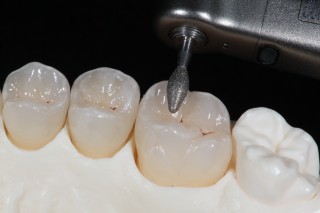
We have a lot of cases where the prep doesn’t provide enough occlusal clearance for the chosen material. Instead of just proceeding, our technicians are trained to flag the issue, send photos or screenshots back to the dentist, and offer options. Small adjustments on the prep, window copings, or opposing reductions can help avoided fracture risks and give the patient a stronger, longer-lasting restoration.
How to prevent it: Review prep guidelines for the specific materials you use most often. We have all guidelines available for download on our website. If you're ever unsure, send us photos or models, we'll give you honest feedback before we move forward.
5. Limited Communication with the Lab
Why it happens: Many remakes boil down to a lack of communication. A five-minute conversation upfront can save time and money on the back-end.
In June of this year a dentist sent us a complex implant case but didn't mention that the patient had an existing partial. Our technicians noticed and when we reached out, we learned the partial needed to fit around the new restoration. By working together on the front end, we avoided a remake and the patient walked away happy.
How to prevent it: Think of us as part of your team. We'd much rather take the time to talk through a case before we start than fix something later.
Final Thoughts:
Remakes are frustrating, but they don't have to be a common issue. Over the last 40 years, our nationally certified dental lab and team of nationally certified dental technicians have partnered with dentists across Louisiana and beyond to reduce remake rates, improve chair-times, and keep patients smiling.
The key is accuracy, clarity, and communication. And when issues do arise, because they sometimes will, we're here to support you, step in, and find the right solutions together, as a team.
At Bayou State Lab, we don't just make restorations. We build partnerships based on trust, faith, and excellence. If you'd like a copy of our "Remake Prevention Checklist" or want to talk through your next case, give us a call. We'd love the opportunity to help you deliver the very best for your patients.
Tristan Hall, Certified Dental Technician