- How can we help?
- +1 800-320-0230
- 225-927-8917
- info@bayoustatelab.com
Why High-End Smile Makeovers Are a Team Sport: Dentist, Lab, and Patient

The Most Accurate Way to Capture a Full-Mouth Bite
December 2, 2025
The Importance of Private Practice Dentistry
May 19, 2026
Why High End Smile Makeovers Are a Team Sport:
Dentist, Lab, and Patient
High value smile makeover cases don't happen by accident, and they rarely succeed as a solo effort.
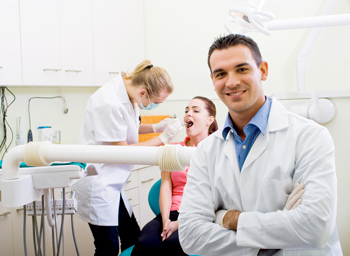
Practices that consistently attract and complete complex cosmetic and restorative cases understand a simple truth: predictable smile makeovers are built through collaboration, not just clinical skill or marketing alone. When the dentist, laboratory, and patient function as a unified team, case acceptance rises, outcomes improve, and long-term trust is built.
Smile Makeovers Are Built on Confidence, Not Just Cosmetics
From the patient's perspective, the biggest hesitation around cosmetic dentistry isn't always the cost, it's uncertainty.
Patients often ask themselves:
-
What if I don't like how it looks?
-
Will it feel natural?
-
Am I being pushed into something I don't fully understand?
The more complex the case, the greater the need for clarity and predictability. That confidence is rarely created chairside alone, it's created through planning, visualization, and expert input behind the scenes.
The Dentist's Role: Vision, Diagnosis, and Leadership
The dentist sets the direction for the case:
-
Functional diagnosis
-
Esthetic goals
-
Patient priorities and limitations
But even the most experienced clinicians benefit from an external perspective, especially when managing:
-
Occlusal wear cases
-
Vertical dimension changes
-
Multi-unit anterior esthetics
-
Implant-supported cosmetic restorations
High-end cases require decisions that affect both function and appearance. This is where collaboration becomes critical.
The Laboratory's Role: Design, Translation, and Predictability
A skilled laboratory does far more than "make what's prescribed."
In advanced smile makeover cases, the lab helps:
-
Translate clinical goals into functional design
-
Evaluate prep design and reduction early
-
Create diagnostic wax-ups, prep guides, digital smile designs, and can help expectations for the future smile
-
Identify esthetic or mechanical limitations before fabrication
-
Serve as a second set of trained eyes on the case
When labs are involved before the case is finalized, not after impressions are sent, many common failures are avoided entirely.
Visualization Is the Bridge Between Yes and No
Patients rarely say yes to dentistry they can't visualize.
Diagnostic wax-ups, digital smile designs, and provisional mock-ups allow patients to:
-
See the proposed outcome
-
Understand the scope of treatment
-
Feel included in the decision-making process
This transforms the consultation from a sales conversation into an educational experience. When patients feel informed and confident, acceptance follows naturally.
The Patient's Role: Informed Partner, Not Passive Recipient
In team-driven smile makeovers, patients are not "sold" treatment, they are invited into the process.
When patients understand:
-
Why certain materials are chosen
-
How function and esthetics are connected
-
What tradeoffs exist between conservative and comprehensive options
They become partners in their own care. This shared understanding reduces post-op dissatisfaction and builds long-term loyalty to the practice.
Collaboration Is a Marketing Advantage (Even If Patients Never See It)
While patients may never meet the lab technician, they feel the results of collaboration:
-
Better-fitting restorations
-
Natural-looking esthetics
-
Fewer surprises
-
Smoother appointments
Practices that consistently deliver these outcomes gain something more powerful than ads or social media reach, word of mouth referrals for high-end care.
Final Thought: Great Smile Makeovers Are Built Long Before Delivery Day
High-end cosmetic cases don't start when the final impression is taken. They start with:
-
Thoughtful planning
-
Clear communication
-
Trust between dentist, lab, and patient
When everyone is aligned early, the result isn't just a better smile, it's a better experience for everyone involved.
If you'd ever like diagnostic input, a smile design, or a pre-case planning discussion before presenting treatment, our certified technicians are always available as a collaborative clinical resource.
Tristan Hall, C.D.T
President
Bayou State Lab